

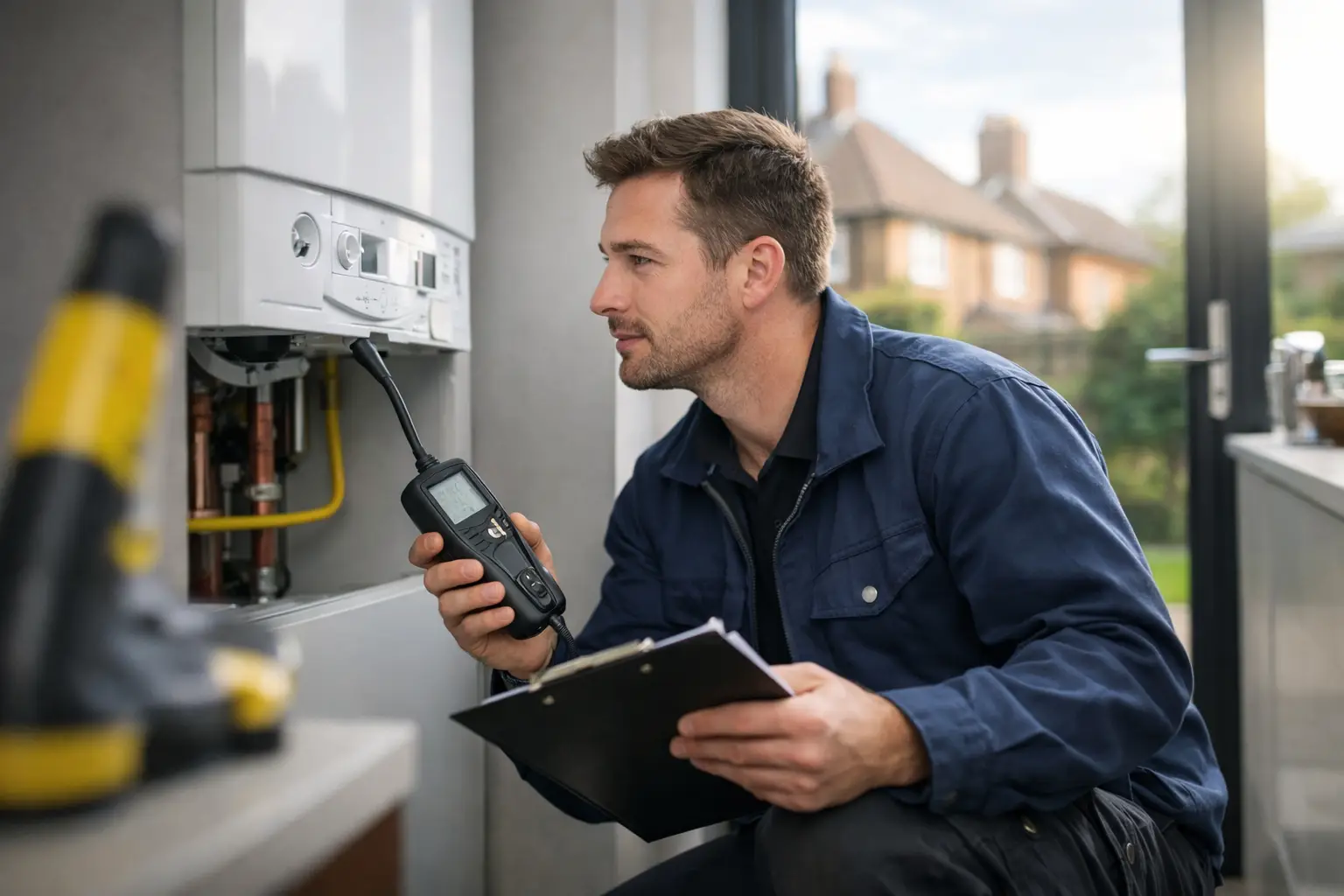
A boiler that stops producing hot water before the morning school run, a radiator that never quite warms up, or the smell of gas in your home all need the right response. A Gas Safe engineer Maidstone homeowners can rely on brings more than a set of tools: they bring the training, registration and care needed to protect your household.
For any job involving a gas boiler, gas fire, cooker or pipework, choosing a properly qualified engineer is essential. It is about keeping your home safe, restoring comfort and making sure the work is completed properly the first time.
What Gas Safe registration means for your home
Gas Safe registration shows that an engineer is legally permitted to work on gas appliances and installations in the UK. Engineers are assessed for the types of gas work they carry out, so it is sensible to check that their registration covers the job you need done, whether that is boiler servicing, installation, repair or gas pipework.
Gas work should never be treated as a DIY task or handed to someone who cannot demonstrate the appropriate credentials. Poorly fitted, damaged or neglected gas appliances can lead to gas leaks, carbon monoxide exposure, fire risks and expensive breakdowns. Carbon monoxide has no colour, smell or taste, which is one reason regular professional checks matter so much.
A qualified engineer will work methodically. They will assess the appliance and its surroundings, carry out the required safety checks, explain any concerns in plain English and leave you clear on what has been done. If an appliance is unsafe, they should tell you what the issue is and what needs to happen next.
When to call a Gas Safe engineer in Maidstone
Some heating problems build gradually, while others are impossible to ignore. A boiler that is making unusual noises, losing pressure repeatedly, taking longer to heat water or leaving rooms cold deserves attention before it develops into a complete failure.
You should arrange an annual boiler service even when everything appears to be working normally. Servicing gives an engineer the opportunity to inspect key components, check that the boiler is operating safely and efficiently, and identify signs of wear early. It can also be required to maintain many manufacturer warranties.
There are times when the right action is more urgent. If you smell gas, suspect a gas leak, feel unwell with symptoms such as headaches or nausea alongside a faulty appliance, or your carbon monoxide alarm sounds, prioritise safety. Turn off the gas supply if it is safe to do so, open doors and windows, avoid switches or naked flames, leave the property and contact the appropriate emergency gas service. Do not return until you have been advised that it is safe.
For problems that are not an immediate emergency, such as unreliable hot water, a boiler fault code or a leaking radiator valve, a local heating engineer can diagnose the cause and advise on the most practical repair.
The difference between a service, repair and replacement
It is easy to assume every boiler issue calls for a replacement. Often, it does not. The best option depends on the appliance’s age, condition, fault history, efficiency and the needs of your household.
Boiler servicing
A service is planned preventative care. The engineer checks the boiler’s condition and operation, looks for safety issues and helps keep it running as intended. It is not the same as a repair, although a service may reveal a developing fault that should be addressed.
Boiler repairs
A repair is appropriate where there is a specific fault and the boiler remains a sensible system to keep. Replacing a worn component can be cost-effective, particularly on a newer boiler that has otherwise been dependable. A clear diagnosis matters because symptoms such as low pressure or lukewarm radiators can have several possible causes.
New boiler installation
Replacement becomes more attractive when breakdowns are frequent, repair costs are increasing, parts are difficult to source, or the existing boiler is no longer suited to the home. A modern, correctly sized boiler may improve reliability and help manage energy use, but the cheapest model is not automatically the right choice.
The number of bathrooms, how many people use hot water at the same time, available space and your current heating layout all influence the recommendation. A thoughtful consultation should consider your day-to-day routine rather than offering a one-size-fits-all answer.
What a dependable local engineer should do
Inviting someone to work on your heating system means trusting them in your home. Technical knowledge is vital, but so are communication, respect for your property and a willingness to explain the options without pressure.
A good engineer will listen first. They should ask about the fault, the age and performance of the system, and any changes you have noticed. For installation work, they should take time to understand your household’s hot-water demand and discuss the practicalities of the proposed work.
You should receive a clear explanation of the recommended work and a transparent quote before non-emergency work begins. If there are alternatives, such as repairing an older boiler versus replacing it, the advantages and limitations of each should be set out honestly. No heating system is maintenance-free, and a lower upfront price can sometimes mean compromises in capacity, warranty or future running costs.
Care for the home matters too. Heating work can involve access to cupboards, loft spaces, radiators and pipework, but a professional team will plan the job carefully, protect the work area where needed and aim to keep disruption to a minimum.
A practical approach to better heating performance
Not every cold room points to a failed boiler. Sludge in the system, trapped air, an unbalanced heating circuit, faulty controls or a radiator valve problem can all affect comfort. The right diagnosis avoids spending money on work that does not solve the underlying issue.
If some radiators are cold at the top, bleeding may help, although recurring air can indicate a wider problem. Cold patches at the bottom may suggest debris in the system. A thermostat that is poorly positioned or programmed incorrectly can also make a home feel colder than it should. These are all areas an experienced heating engineer can assess as part of wider central-heating maintenance.
Small plumbing issues are worth dealing with promptly as well. A dripping pipe joint, leaking valve or slow loss of pressure can become more disruptive if left unchecked. Early repairs often protect both your heating system and your home from avoidable water damage.
Why local experience matters in Maidstone
A local company understands that a heating problem is rarely convenient. It affects showers, family routines, home working and peace of mind. Choosing an engineer who serves Maidstone and the surrounding Kent area can make communication simpler and gives you a point of contact for ongoing servicing, repairs and future upgrades.
With more than 25 years of hands-on experience, Dacey Heating Engineers provides a family-run approach built around safe work, practical recommendations and friendly, transparent service. Whether the requirement is a routine boiler service, a fault investigation, a new installation or general plumbing support, the aim is to leave your home warm, safe and working as it should.
Before booking, it can help to note your boiler make and model, any fault code shown on the display, when the problem started and whether it affects heating, hot water or both. This gives the engineer a useful starting point and can make the visit more efficient.
Your heating system does a great deal quietly in the background. Giving it regular professional attention, and acting early when something changes, is one of the simplest ways to protect the comfort and safety of the home you rely on every day.