

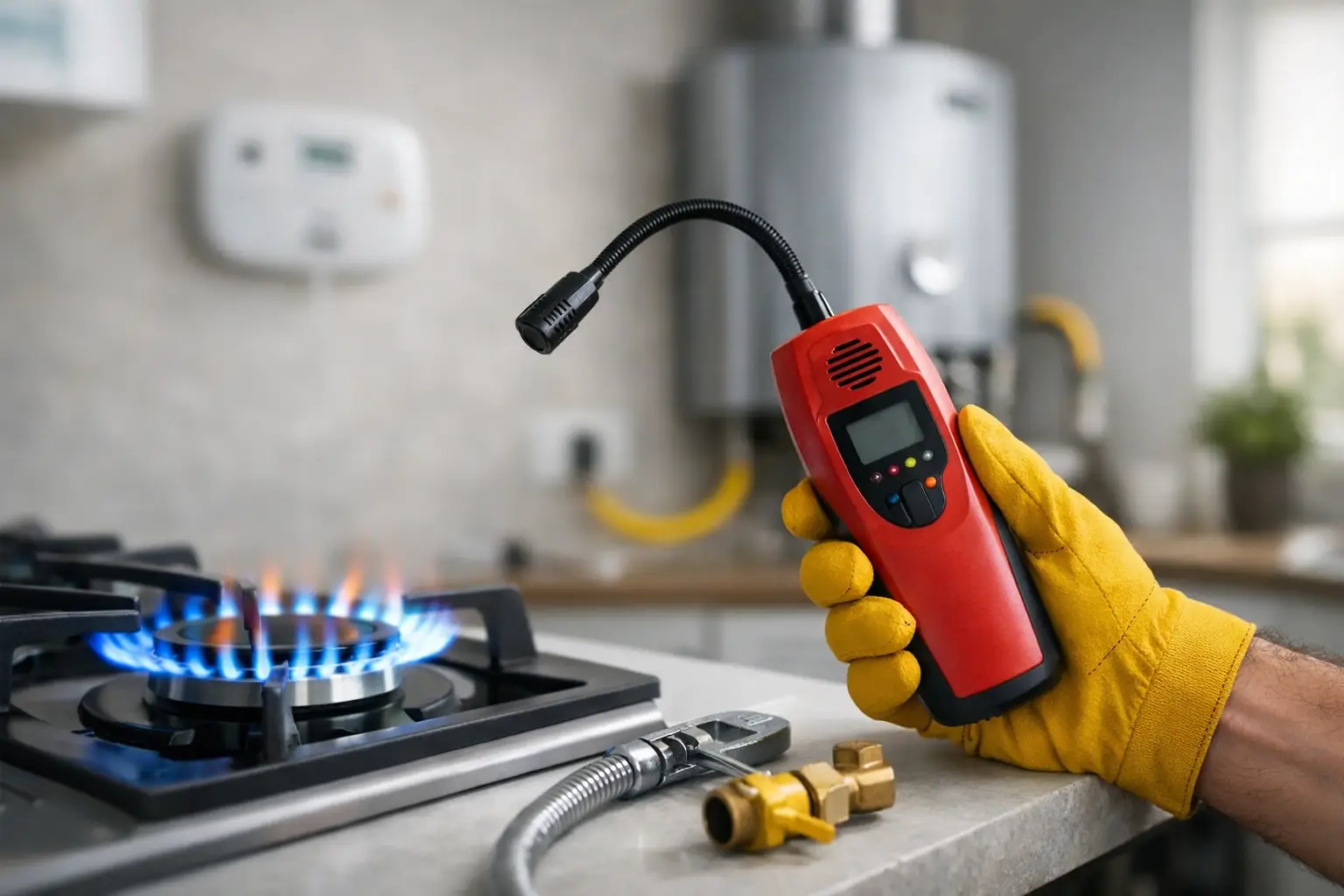
A boiler that suddenly needs turning up higher, a pilot light that keeps going out, or a strange mark around a gas fire can be easy to put off when family life is busy. But gas safety is not a job to leave until a convenient time. Small changes in the way a boiler or gas appliance performs can point to a fault that needs professional attention.
For homeowners across Maidstone and Kent, the aim is simple: keep the home warm, hot water reliable and every gas appliance working safely. Knowing the warning signs, acting calmly in an emergency and arranging proper servicing will give you a clear route to that peace of mind.
What gas safety means in a family home
Gas appliances are designed to burn fuel safely and efficiently. When they are correctly installed, maintained and ventilated, they provide dependable heating, hot water and cooking. Problems arise when an appliance is damaged, poorly maintained, incorrectly fitted or unable to release combustion gases through its flue as intended.
A safe gas system is about more than the boiler. It includes gas fires, cookers, hobs, pipework, meters, flues and any ventilation that supports those appliances. It also depends on the right person carrying out the work. Only a Gas Safe registered engineer should install, service, repair or alter a gas appliance or gas pipework.
This is not simply a matter of protecting a warranty or improving efficiency. Faulty gas appliances can cause gas leaks, fires, explosions and carbon monoxide exposure. Most issues can be identified before they become serious, which is why regular professional checks are such a sensible part of looking after a property.
Warning signs that need attention
Not every heating problem is an emergency. A radiator that needs bleeding, for example, may be a straightforward central-heating issue. However, the following signs should never be ignored, particularly if more than one appears at the same time:
- A persistent smell of gas, often described as sulphur-like or similar to rotten eggs.
- Yellow, orange or unusually lazy flames on a gas appliance instead of a crisp blue flame. Decorative gas fires can be different, so ask an engineer if you are unsure.
- Soot, scorch marks or staining around a boiler, fire, cooker or flue.
- A pilot light that repeatedly goes out, or an appliance that is difficult to light.
- Excessive condensation in a room, especially near a gas appliance.
- New or recurring headaches, dizziness, nausea, breathlessness or unusual tiredness that improves when people leave the house.
These signs do not automatically confirm a particular fault, but they do justify prompt advice from a qualified engineer. Do not take covers off, attempt a repair yourself or assume the appliance will settle down with further use.
A boiler displaying a fault code is also worth checking promptly. Some codes relate to pressure or a temporary operating issue, while others may require an engineer. Keep the boiler manual available, but only follow the basic homeowner instructions provided by the manufacturer. If in doubt, switch the appliance off and arrange an inspection.
What to do if you smell gas
If you can smell gas in your home, treat it seriously. Do not use matches, cigarettes, candles or lighters. Do not operate electrical switches, doorbells, plugs or appliances, as even a small spark could ignite gas.
If it is safe to do so, turn off the gas supply at the emergency control valve by the meter. Open doors and windows to ventilate the property, then leave the building. Keep other people and pets away from the area.
Once you are outside, call the National Gas Emergency Service on 0800 111 999. Do not return to the property until you have been told it is safe to do so. A heating engineer can then assess and repair appliances or pipework once the immediate emergency has been dealt with.
There is a useful distinction here. A boiler that has stopped producing hot water is inconvenient and may need a fast repair, but a gas smell is an emergency. Acting according to the risk helps protect your household and ensures the right help is called first.
Carbon monoxide: the danger you cannot smell
Carbon monoxide is produced when fuel does not burn completely. Unlike natural gas, it has no smell, colour or taste. That is why it is often described as the silent danger, and why symptoms should be taken seriously.
Possible signs of carbon monoxide exposure include headaches, dizziness, feeling sick, weakness, confusion, chest pain and breathlessness. They can be mistaken for flu or a virus, particularly in colder months. If several people in the household feel unwell at the same time, symptoms ease outside the home, or pets appear unwell, get everyone into fresh air straight away.
Turn off gas appliances only if you can do so safely, leave the property and seek urgent medical advice. Call 999 if someone is seriously unwell or in immediate danger. Do not use the suspected appliance again until it has been checked by a Gas Safe registered engineer.
A carbon monoxide alarm is a worthwhile extra layer of protection. Choose an alarm made to the relevant British and European safety standard, position it according to the manufacturer’s instructions and test it regularly. An alarm is not a replacement for correct installation or servicing, but it can provide an early warning when you need it most.
Why annual boiler servicing matters
A boiler service is preventative care, not just a visit arranged when something has already failed. During a service, an engineer checks that the boiler is operating safely, examines key components, looks for signs of wear or leaks, checks combustion where appropriate and makes sure the flue is doing its job.
The exact work will depend on the boiler model, its age and condition. A good engineer will explain any findings in plain English, including whether an issue needs immediate repair, should be monitored, or is likely to become less economical to fix over time. This gives you the information to make a considered decision rather than being pressured into a replacement.
For many manufacturers, annual servicing is also a condition of the boiler warranty. Check your warranty paperwork and service record, as requirements differ. Even where a warranty has ended, an annual service can help spot problems before they lead to a cold house, lost hot water or a more expensive breakdown.
Homeowners are not generally required by law to arrange an annual gas safety check in the way landlords are. However, this does not make servicing optional from a practical safety point of view. If you let out a property, landlord gas safety duties are separate and must be met by a suitably registered engineer.
Everyday habits that support gas safety
You do not need technical knowledge to help keep appliances safe. Leave boiler cupboards and ventilation openings clear, and do not use the space around a boiler for piles of coats, boxes or household cleaning products. A boiler needs appropriate airflow and access for servicing.
Outside, occasionally look at the flue terminal, usually found on an external wall. Do not interfere with it, but make sure it has not been blocked by garden growth, stored items, building work or nesting material. If you notice damage, staining or anything unusual, arrange a professional inspection.
Keep the boiler service paperwork somewhere easy to find, and make a note of recurring faults. Details such as when a pressure drop happens, which radiators stay cool or when a noise occurs can help an engineer diagnose the cause more efficiently. This means less disruption for your household and a better chance of resolving the issue on the first visit.
It is also wise to be cautious with older appliances. Age alone does not make a boiler unsafe, and a well-maintained system may continue to provide reliable service. However, frequent repairs, rising energy use, unreliable hot water or unavailable parts can change the balance. An experienced engineer can assess whether repair remains the sensible option or whether a planned replacement would provide safer, more efficient long-term performance.
Choose a qualified local engineer
When gas work is needed, check that the engineer is Gas Safe registered and qualified for the type of appliance involved. Registration is not a marketing extra. It shows that the engineer is legally permitted to carry out gas work and has the appropriate competence for it.
For a household, the best service is also clear and considerate. You should understand what has been found, what work is recommended, what it is likely to cost and what happens next. At Dacey Heating Engineers, that local, straightforward approach is central to how we look after homes in Maidstone and the surrounding Kent area.
If something about your heating or gas appliance does not seem right, trust that instinct. A timely professional check is a small interruption compared with the reassurance of knowing your home is safe, warm and ready for everyday life.

