

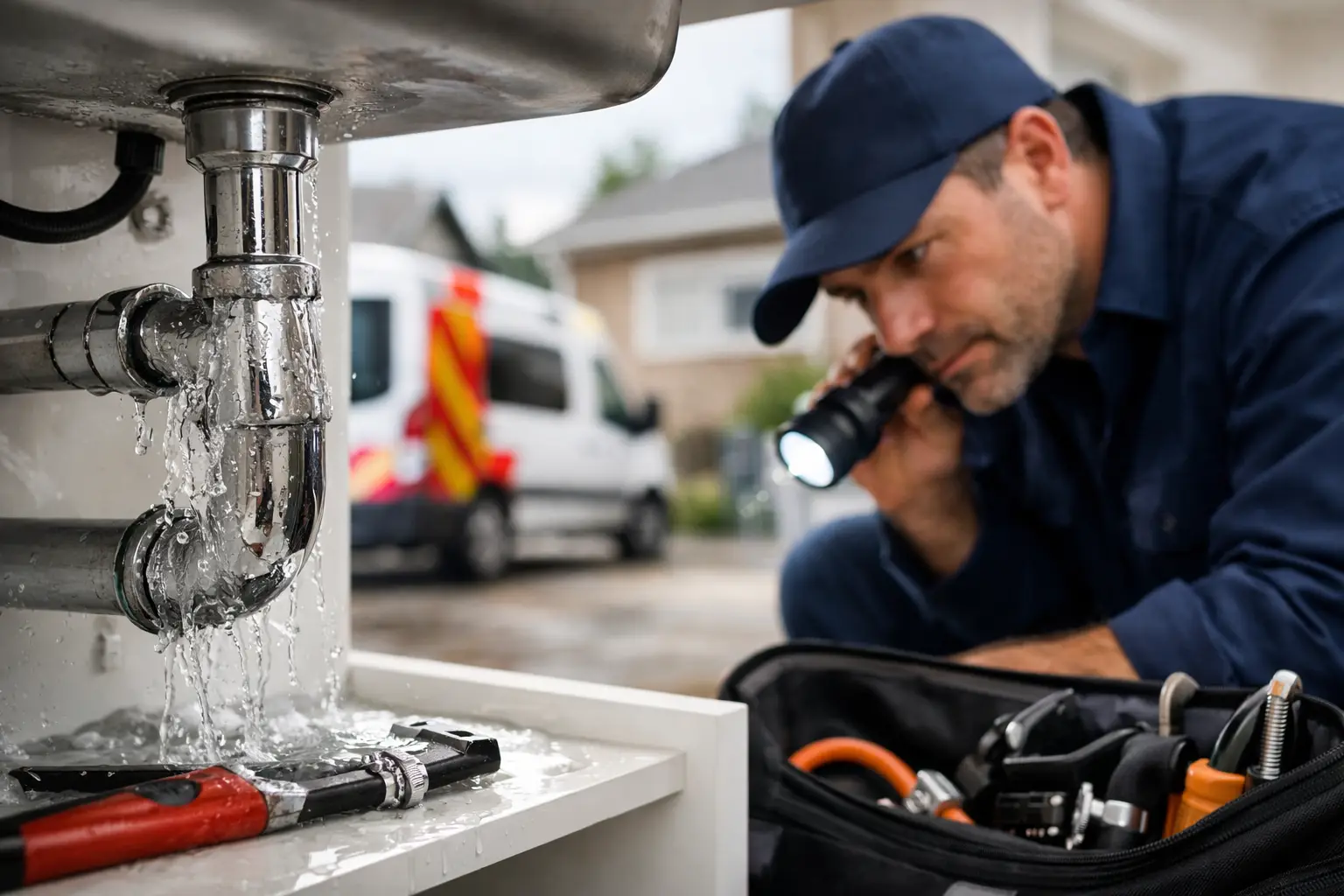
A burst pipe under the kitchen sink, no heating on a cold evening, or water appearing through a ceiling can turn a normal day upside down. When you need an emergency plumber in Maidstone, the priority is not to diagnose every detail yourself. It is to make the situation safe, limit any damage to your home and arrange help from a suitably qualified local engineer.
Some faults can wait for a planned appointment. Others need prompt attention, especially where water, gas, electrics or the safety of your household may be affected. Knowing the difference can help you act calmly and avoid a small problem becoming a costly repair.
When is a plumbing problem an emergency?
A plumbing emergency is usually a fault that is causing active damage, creating a safety risk or leaving your household without an essential service. A steady drip from a tap is frustrating, for example, but it can normally be booked in as a routine repair. Water pouring from a pipe, on the other hand, needs immediate action.
A major leak, burst pipe, overflowing toilet that will not stop, or a water leak near electrical fittings should be treated seriously. Shut off the water supply if it is safe to do so, keep people away from the affected area and avoid touching electrical switches or appliances where water is present.
Heating and hot water faults depend on the circumstances. A boiler that has stopped working may be particularly urgent during cold weather, where there are young children, older people or vulnerable residents in the property. If there is no sign of a gas issue, an engineer can assess the cause and advise on the most appropriate repair.
A suspected gas leak is different. If you can smell gas, hear hissing near a gas appliance, or a carbon monoxide alarm sounds, do not investigate the appliance. Turn off the gas supply at the meter only if you can do so safely, open doors and windows, leave the property and seek urgent advice. Do not use naked flames, smoke, operate electrical switches or use electrical items inside the home. Any work on gas appliances must be completed by a Gas Safe registered engineer.
What to do before the plumber arrives
The right first steps can reduce damage and give your engineer useful information when they attend. Stay focused on safety rather than attempting a repair that could make the fault worse.
Stop the water where possible
For a leak or burst pipe, locate your internal stopcock and turn it clockwise to stop the mains water supply. It is commonly found beneath the kitchen sink, near the water meter, in a utility area or where the mains pipe enters the property. Every homeowner should know where it is before an emergency happens.
If the leak is from a toilet cistern, washing machine connection or another local fitting, an isolation valve may allow you to turn off water to that appliance only. Place towels or containers beneath a manageable leak, but do not put yourself at risk to reach it. If water is coming through a ceiling, move belongings out of the way and keep clear of any bulging plasterboard.
Protect your electrics and your home
Water and electricity are a dangerous combination. If water is close to lights, sockets, wiring or electrical equipment, do not touch them. If it is safe to reach the consumer unit without entering the wet area, turn off the relevant circuit or the main electricity supply. If you are unsure, leave it alone and wait for professional guidance.
Move furniture, rugs and valuables away from the affected area where it is safe to do so. Take a few clear photographs of the issue and any visible damage. This may be useful for your insurer later, but it should never delay making the property safe.
Check the boiler without removing its casing
If you have lost heating or hot water, look at the boiler display for an error code and check whether the pressure gauge is unusually low. Note the code, the make and model of the boiler, and whether the problem affects heating, hot water or both. These details can help an engineer prepare for the visit.
You can also check whether there is power to the boiler and whether the thermostat settings are correct. Do not remove the boiler casing, interfere with gas connections or repeatedly reset the appliance. A reset can sometimes resolve a minor interruption, but persistent fault codes need professional assessment.
Choosing an emergency plumber in Maidstone
During a stressful fault, it is tempting to call the first number you find. It is still worth checking that the person attending is right for the job. A local company should communicate clearly about availability, likely next steps and what information they need from you before visiting.
For boiler, central heating or gas appliance issues, always ask whether the engineer is Gas Safe registered and qualified for the work required. Gas Safe registration is not simply a reassuring badge. It is a legal and safety requirement for work on gas appliances, and it helps protect your household from unsafe repairs.
Experience also matters because emergency faults do not always have a single obvious cause. A leak may be the result of a failed valve, frozen pipework, a corroded fitting or pressure issues elsewhere in the system. A reliable engineer will investigate the source, explain the problem in plain English and set out the repair options before unnecessary work begins.
Transparent communication is particularly valuable when a permanent repair cannot be completed immediately. Sometimes an engineer can make the system safe, stop the leak or restore temporary service, then return with a required part. That is often the sensible approach, provided you understand what has been done, what remains to be completed and how to use the system safely in the meantime.
What a professional emergency visit should involve
On arrival, an experienced plumber or heating engineer will first assess the immediate risk. This might mean isolating water, checking for signs of gas danger, protecting the heating system or tracing where a leak has travelled. The visible symptom is not always the source, particularly in pipework hidden beneath floors or behind walls.
Once the issue is understood, you should receive a clear explanation of the recommended work. That may involve replacing a failed component, repairing pipework, resolving a boiler fault or advising that a replacement is more economical than repeated repairs. The right answer depends on the age and condition of the system, the availability of parts and the long-term reliability you need from it.
At Dacey Heating Engineers, this practical, household-focused approach is central to the service. With more than 25 years of hands-on experience, the aim is to restore safety, warmth and reliable performance while treating your home with care and keeping disruption to a minimum.
Reducing the chance of another emergency
Not every breakdown can be prevented, but regular maintenance gives many faults less opportunity to develop unnoticed. An annual boiler service helps identify worn parts, combustion issues and performance concerns before they lead to lost heating or hot water. It is also a sensible time to discuss any recurring pressure drops, unusual noises or radiators that do not heat evenly.
For plumbing, inspect visible pipework and appliance hoses from time to time, particularly beneath sinks and around washing machines. Small signs such as staining, corrosion, a damp cupboard base or a tap that will not fully turn off are worth addressing early. In colder months, keep your heating on a low setting when away from home and make sure vulnerable external pipework is suitably protected against freezing.
It is also wise to test that your stopcock turns freely. A stopcock that has seized may be of little help during a burst pipe. If it is difficult to operate, arrange for it to be checked as part of planned plumbing maintenance rather than waiting for an emergency.
If something goes wrong, take the immediate safety steps, give clear information about what you can see and let a qualified professional take it from there. Prompt, sensible action can protect your home now and help return it to the warm, comfortable place it should be.

